Aug. 14, 2026

Hawaii's Housing Market Just Sped Up: What Faster Sales and Rising Bid-Wars Mean for You

If you've been sitting on the sidelines waiting for Hawaii's housing market to cool further, the latest numbers say otherwise. Fresh statewide data released this month shows homes selling noticeably faster and more buyers getting into competitive situations than they were a year ago. For anyone weighing a purchase or a listing in the second half of 2026, the timing calculus just changed.

Homes Are Selling in Weeks, Not Months

According to Locations Hawaii's statewide report for July 2026, the median single-family home spent just 24 days on market before going under contract, a 23% drop from 31 days a year earlier. Condos moved faster too, with median days on market falling 9% to 52 days from 57 last July. Meanwhile, home sales volume rose 13% year over year and condo sales rose 10%, even as median prices climbed 8% for both property types, to $1,045,000 for homes and $560,000 for condos statewide. That combination, more sales, higher prices, and shorter market times, is a clear signal that demand has firmed up compared to the more hesitant conditions many buyers got used to in 2024 and 2025.

Bidding Wars Are Back

Perhaps the more telling number is the share of listings selling above asking price. Statewide, 27% of single-family homes sold with a bid-up in July, compared to 23% a year earlier. Condos saw a similar shift, with 13% selling over list price versus 11% last year. For buyers, that means lowball offers and long due-diligence timelines are getting riskier again, especially on well-priced, move-in-ready properties. For sellers, it means pricing a listing accurately, rather than padding it, may actually generate more competition and a stronger final sale price than overreaching from the start.

Condos Still Tell a Different Story

Not every corner of the market is heating up the same way, and that nuance matters if you're focused on a specific island or property type. On Kauai, for example, condo sales through the end of July were down nearly 20% year over year, and island-wide condo prices dipped about 3% from last year, according to Hawaii Life's most recent Kauai market update. South Shore vacation-rental condos held up best, while Lihue saw fewer sales but a notable jump in median price. The takeaway: condo owners are still contending with rising insurance costs, climbing HOA dues, and tighter financing that keep some buyers cautious, even while the broader single-family market accelerates. Statewide averages can mask real differences between islands, neighborhoods, and property types, so don't assume your specific market is moving exactly like the headline numbers.

What This Means If You're Buying or Selling Now

If you're a buyer, the days of taking two or three weeks to decide on a well-priced home are largely gone in the current environment. Get pre-approved before you start touring, and be ready to move quickly with a clean, competitive offer when you find the right property. If you're a seller, resist the temptation to test the market with an inflated price; the data suggests accurate pricing is what's driving both faster sales and the bid-ups sellers want. And if you own or are considering a condo, factor insurance costs and HOA financial health into your decision just as heavily as location and price, since those factors are increasingly what separates a condo that sells quickly from one that sits.

The bottom line is that Hawaii's market isn't uniformly hot or cold right now, it's moving faster in some segments and staying cautious in others. Whether you're buying your first home, selling a longtime property, or managing a condo investment, working with someone who tracks these shifts island by island, not just statewide, will save you time and money in a market that's clearly picking up its pace.

Posted in Market Updates
Aug. 10, 2026

Mortgage Rates Are Stuck Around 6.8% — What That Means for Hawaii Buyers and Sellers Right Now

Sunset over Hawaii silhouette illustration with palm trees and home, symbolizing the 2026 Hawaii real estate and mortgage rate marketIf you've been waiting for mortgage rates to drop before making a move in Hawaii, here's the honest update: the wait may last longer than you'd like. As of this week, the average 30-year purchase rate sits around 6.8%, and the Federal Reserve just held its benchmark rate steady at its July meeting, with a handful of committee members actually pushing for a hike rather than a cut. For a state where the median single-family home is now well north of $1.2 million, a rate that refuses to budge changes the math on every offer. Here's what's actually going on and how to plan around it.

Why Rates Aren't Falling the Way People Expected

Heading into 2026, a lot of buyers assumed rate relief was coming. That hasn't materialized. Inflation has cooled from its worst levels but is still running above the Fed's long-term target, which keeps the central bank cautious about cutting. On top of that, geopolitical tension since late February has pushed up 10-year Treasury yields, and mortgage rates tend to track those yields closely. The result is a rate environment that forecasters now expect to hold roughly steady rather than improve. Fannie Mae's most recent housing forecast projects 30-year rates hovering around 6.4% for the rest of the year, while the Mortgage Bankers Association puts its estimate closer to 6.5% for the third and fourth quarters. Either way, the takeaway is the same: don't build your Hawaii home search around a rate drop that may not come this year.

What a "Stuck" Rate Environment Means in a High-Price Market

Hawaii buyers feel rate moves more acutely than almost anywhere else in the country, simply because loan balances here are so much larger. A quarter-point swing on a $900,000 loan moves your monthly payment by well over $100, and that adds up fast when you're already stretching for a down payment on an island where inventory is tight. The practical effect right now is that qualifying buyers need to shop with today's rate, not a hoped-for future rate, when figuring out what they can actually afford. If your pre-approval was calculated a few months ago, it's worth refreshing it, since even small rate shifts change your top-end budget meaningfully at Hawaii price points.

What This Means If You're Selling

A rate environment that isn't loosening up keeps a real chunk of buyers on the sidelines or shopping below where they'd like to be, which matters for how you price and market a listing. Homes that are priced realistically for today's buyer pool, rather than for the rate environment sellers wish existed, are still moving well, and Oahu's July numbers back that up: single-family days on market actually fell sharply while sales volume climbed, showing that well-priced homes aren't sitting. Overpriced listings, on the other hand, are the ones most likely to feel the pinch of a buyer pool that's being more careful with a 6.8% payment.

What to Do With This Information

A few practical moves make sense in this kind of rate environment. Get a current rate lock quote rather than relying on a number from earlier this year, since the gap can be bigger than you'd expect. Ask your lender about temporary buydowns or seller-paid rate concessions, which are increasingly common tools for softening the first year or two of payments without waiting on the Fed. And if you're a seller, price to today's qualified buyer rather than last year's low-rate buyer, because that's who's actually writing offers right now.

Rates may eventually ease, but nothing in the current data suggests it's imminent, and Hawaii's market has kept moving anyway. Buyers who plan around today's numbers instead of waiting for better ones tend to end up in a home sooner, with more negotiating room, than those holding out for a rate environment that isn't here yet.

Posted in Market Updates
Aug. 10, 2026

Hawaii's Vacation Rental Rules Are Shifting Fast: What Maui and Big Island's Latest Moves Mean for You

Sunset silhouette of a Hawaii beach house and palm trees, symbolizing Hawaii vacation rental real estateIf you own, or are thinking about buying, a condo that currently operates as a short-term rental anywhere in Hawaii, the last few weeks brought real news. On July 28, the Maui County Council voted 7-1, twice, to push forward a plan that would permanently shift roughly 2,056 apartment-district vacation rental units into hotel zoning. A few weeks before that, Hawaii County's long-delayed short-term rental registration law, Bill 47, finally took effect on July 1. Neither change happened in isolation, and together they signal where county governments across the state are heading on visitor accommodations. Whether you're weighing an STR purchase, already own one, or are simply selling a condo in a building that has rental income potential, here's what actually changed and what it means for your next move.

Maui Just Took Its Vacation Rental Phase-Out a Step Further

Maui's Bill 9, signed into law by Mayor Richard Bissen in late 2025, set a plan in motion to convert more than 6,200 short-term rental units in apartment-zoned districts back into long-term housing, with West Maui properties required to transition by January 1, 2029, and South Maui units by January 1, 2031. That timeline alone reshaped how buyers value STR-zoned Maui condos. The move in late July adds a wrinkle: the Council is now pushing roughly 2,056 of those units into permanent hotel zoning instead, which would let them keep operating as vacation rentals under a different classification. The Maui Planning Commission had already rejected a softer version of this idea back in February, so the fight over which units survive as rentals and which convert to housing is still very much alive. For anyone evaluating a Maui condo purchase, the zoning status of that specific building, not just its history of renting nightly, is now the single most important thing to confirm before you write an offer.

Big Island Owners Now Have a Hard Registration Deadline

Hawaii County's Bill 47, now Ordinance 25-50, had already been pushed back once, from December 2025 to July 1, 2026, to give the county time to build out its enforcement system. That extension has run out. Hosted rentals, including owner-occupied units that were previously exempt, must now register annually and pay a $250 fee. Unhosted vacation rentals pay $500 and must resubmit their tax map key, bedroom count, and proof of safety compliance every year. Registrations expire 90 days after a sale, so if you're buying an existing Big Island STR, don't assume the registration transfers with the deed. Fines for operating unregistered run as high as $10,000, and the booking platforms themselves, Airbnb and Vrbo included, now have to match every listing against a valid county registration number or risk fines of their own.

Why This Matters Even If You're Buying on Oahu or Kauai

Maui and the Big Island are setting the pattern, and Oahu and Kauai have already shown they'll follow it. Both islands run their own STR registration systems, and the direction of travel statewide is toward tighter oversight, not looser. Layer on top of that the statewide Transient Accommodations Tax increase that took effect January 1, bringing the TAT to 11% on hotel and vacation rental stays, and it's clear that operating an STR in Hawaii carries more compliance overhead and cost than it did two years ago. That doesn't mean STR investing is dead here, but it does mean the math has changed, and buyers who run their numbers on 2023 assumptions are going to be disappointed.

What This Means If You're Buying or Already Own

If you're shopping for an income property, verify the zoning and registration status of a specific unit before you fall in love with its rental history. A building's past Airbnb income tells you nothing if the zoning under it is shifting. Ask your agent for the county's current STR registry status on any unit you're serious about, and budget for registration fees, TAT, GET, and county surcharges as real, recurring costs, not afterthoughts. If you already own a Big Island rental, get your registration filed now; the county has made clear it intends to enforce the $10,000 penalty, not just threaten it. And if you own in a Maui apartment-zoned building, watch the Planning Commission's next moves closely. Whether your unit ends up in hotel zoning or gets converted to long-term housing will materially affect both your income and your resale value.

None of this is cause for panic, but it is cause for homework. Hawaii's short-term rental landscape is being rewritten island by island, and the owners and buyers who come out ahead will be the ones who track these rules as closely as they track prices. If you're weighing a purchase or sale that touches any of this, it's worth a conversation before you commit.

Posted in Market Updates
Aug. 6, 2026

Why Your Hawaii Condo's Insurer Could Trigger a $30,000 Special Assessment

Stylized sunset illustration of a Hawaii condo skyline with palm treesIf you own, or are thinking about buying, a condo in an older Hawaii building, there's a new wrinkle worth understanding: your insurance carrier, not your AOAO board, may be the one deciding when you write a five-figure check. Across the islands, insurers are increasingly conditioning renewal on major system upgrades: fire sprinklers, full re-pipes, structural spalling repair. When that demand letter lands, boards have little choice but to comply, and the bill gets split among every owner. This is happening statewide, not just in Waikiki high-rises, and it's changing how buyers, sellers, and investors need to approach condo due diligence in 2026.

What's Driving the Demand Letters

Hawaii's property insurance market has been under strain for several years, with premiums doubling or tripling for some associations and a handful of carriers pulling out of the state entirely. As insurers tighten their underwriting, they're increasingly requiring aging concrete buildings to modernize life-safety and structural systems before they'll renew coverage, or renew it at an affordable rate. For boards, refusing isn't really an option: losing coverage altogether, or being unable to find a replacement carrier, puts every owner's mortgage and property value at risk.

What These Upgrades Actually Cost

The dollar figures are significant, and they scale with unit count. Industry data on recent Oahu high-rise projects puts typical costs at roughly:

  • Fire sprinkler retrofit: $20,000-$30,000 per unit
  • Concrete spalling repair (lanais and facade): $25,000-$40,000 per unit
  • Full re-pipe (water supply and drain lines): $30,000-$50,000+ per unit

Boards can structure these as a lump-sum assessment, an installment plan, or an AOAO-secured loan repaid through higher monthly fees, but the money has to come from somewhere, and it's almost always the owners.

Why These Projects Take Years, Not Months

Even after a board approves a project, don't expect it to wrap up quickly. Honolulu's Department of Planning and Permitting is currently taking roughly 10 to 14 months just to review structural and life-safety permits for multifamily buildings, before any construction can start. Add engineering studies up front and 6 to 12 months of material lead time for items like custom windows or elevator components shipped in from the mainland, and a single mandated upgrade can easily run two to three years from demand letter to final sign-off. That's a long stretch during which a special assessment is "pending," a status that has to be disclosed to any buyer.

Some Relief on the Hurricane Insurance Side

There is at least partial good news. Act 296, signed into law in 2025, reactivated the long-dormant Hawaii Hurricane Relief Fund to provide excess hurricane coverage to AOAOs that have been turned down by at least two private insurers, and it expanded the Hawaii Property Insurance Association's ability to step in when the private market won't. Some associations have reported cutting their hurricane premiums significantly after tapping the fund. It's not a fix for everything, buildings still need primary coverage on the open market for the first $10 million in losses, and it does nothing to reduce the cost of an insurer-mandated capital project, but it has kept some buildings from becoming effectively uninsurable.

What This Means If You're Buying, Selling, or Already Own

If you're shopping for a condo, don't stop at the listing price and maintenance fee. Ask directly whether the association has received any insurer demand letters, whether a reserve study has been updated recently, and whether the building's roofs, pipes, or concrete have had any recent engineering inspections. If you're selling, get ahead of these questions with your AOAO's meeting minutes and financials so nothing surprises a buyer's lender during escrow. And if you already own in an older building, it's worth attending board meetings and pushing for realistic reserve funding now, because the difference between a well-funded reserve and an emergency assessment is often the difference between a manageable expense and a five-figure surprise.

None of this means older Hawaii condos are a bad investment; many remain excellent buys, especially once a building has already completed its upgrades and secured stable insurance. But going in with eyes open on the insurance and assessment picture is now just as important as checking the school district or the ocean view.

Posted in Market Updates
Aug. 4, 2026

Hawaii's New Leasehold Law Opens a Fresh Path to Affordable Homeownership

Hawaii sunset over palm trees and a home, symbolizing affordable homeownership under Hawaii's new leasehold lawGovernor Josh Green signed Senate Bill 2061 into law as Act 121 on June 23, and it deserves attention whether you're a local family priced out of Oahu's market or an investor tracking how the state is trying to solve its affordability problem. The law strengthens Hawaii's 99-year leasehold program for condominiums built on state and county land, fixing a design flaw that had stalled the state's very first project before it could get off the ground. If you've assumed homeownership in Hawaii requires inherited land or a seven-figure budget, this program is built to change that math for a limited pool of qualified local buyers.

What Act 121 Actually Changes

Act 121 builds on Act 97, passed in 2025, which created a pilot leasehold condominium program within the Hawaii Community Development Authority. The original pilot required units to stay owner-occupied for the entire 99-year lease term, a far stricter standard than HCDA's usual two-to-ten-year residency requirement. That mismatch made lenders and prospective buyers nervous and effectively froze the program before HCDA could issue a single lease. Act 121 realigns the owner-occupancy rules with HCDA's more familiar practice while still protecting the program's affordability goals, giving the agency workable rules it can actually build a project around.

Who Qualifies

The law requires at least 60% of units in a leasehold project to go to households earning no more than 140% of the area median income, and every unit must be owner-occupied by a qualified local resident rather than held as an investment or rental. In practice, the target buyer is a local family with a steady but unremarkable income who has been shut out by a statewide single-family median sitting above $1.1 million. Because the state or county keeps ownership of the land itself, buyers only pay for the structure sitting on top of it — that's where the real savings come from.

The Kakaako Project to Watch

The first real test of this program is a planned HCDA pilot at the corner of Kapiolani Boulevard and Ward Avenue in Kakaako. Site details and final lease terms are still being worked out, but this project is the one that will show whether the leasehold model can actually deliver units at scale, not just on paper. State Sen. Stanley Chang, who chairs the Senate Housing Committee and has championed similar "ALOHA Homes" proposals for years, called Act 121 a step toward restoring realistic homeownership for local families.

What This Means for Buyers, Sellers, and Investors

If you're a first-time buyer, keep an eye on HCDA's announcements about the Kakaako project and any future sites, and get a sense of your household income relative to 140% of AMI now so you're ready to move when applications open. If you own or are considering selling a condo in the affordable-to-mid price tier, understand that new leasehold supply will eventually compete at that end of the market, even if it takes a few years to materialize. And if you're an investor, this program isn't for you — the owner-occupancy requirement rules out rental use entirely.

Where the Broader Market Stands

This law arrives while the rest of Hawaii's housing market is still working through familiar pressures. Statewide single-family median prices are hovering above $1.1 million, up modestly year over year, while condo prices sit closer to $525,000 to $530,000. Mortgage rates have held in the mid-6% range through mid-summer, and the Federal Reserve's more cautious tone means buyers shouldn't count on relief there anytime soon. Days on market have crept up for both homes and condos compared to a year ago, giving buyers a little more breathing room to negotiate — though condo buyers still need to factor in rising insurance costs and the risk of special assessments when running the numbers on any building.

A single law won't solve Hawaii's affordability crisis, but Act 121 is a genuinely new tool the state hasn't tried before, and it's worth watching closely if you or your family have been waiting for a realistic entry point into ownership here. If you want to talk through how this or any other 2026 legislative change affects your specific buying or selling plans, reach out — I'm happy to walk through it with you.

Posted in Market Updates
Aug. 2, 2026

Hawaii's 2026 Housing Market Isn't One Market — Here's What Each Island Is Actually Doing

Stylized sunset illustration of a Hawaii home with palm trees, representing the 2026 Hawaii housing marketMid-year numbers for Hawaii real estate just came out, and if you only read the statewide headline, you'd think 2026 has been a non-event: single-family sales up less than one percent, condo sales down about the same, prices essentially flat. That's the least useful way to look at what's actually happening. Underneath that calm statewide average, Maui, Kauai, Oahu, and the Big Island are each running on their own schedule, and if you're buying, selling, or investing right now, which island you're looking at matters far more than the statewide number.

The Statewide Numbers Are Deceiving

Through the first half of 2026, Hawaii posted roughly 2,956 single-family home sales statewide, up less than one percent from the same period last year, with the median price holding right around $1 million. Condo sales came in a little softer, down about 1.5 percent to just over 3,000 units, with the median price dipping roughly one percent to $545,000. Mortgage rates haven't done buyers any favors either; 30-year fixed rates have been sitting in the mid-6% range for months, which is enough to keep monthly payments elevated without being high enough to trigger a real slowdown. Taken together, it looks like a market holding its breath. It isn't. It's four markets moving in different directions that happen to average out to flat.

Maui's Condo Market Just Had a Real Correction

The most dramatic shift in the state happened in Maui condos. Sales volume jumped 11 percent, the biggest increase of any market segment in Hawaii, while the median price fell about 12 percent to $650,000. That combination, more buyers showing up as prices come down, is what an actual price correction looks like, and it's opened a window for buyers who've been priced out of Maui condos for the past few years. Maui single-family homes told a milder version of the same story: sales up 4 percent, prices down about 3 percent, still holding at a premium median of roughly $1.2 million.

Kauai: Fewer Sales, Higher Prices for Homes

Kauai is doing the opposite of Maui. Single-family sales fell 12.6 percent year over year, yet the median price jumped 15 percent, a clear sign that tight inventory is doing more to set prices than buyer demand is. Kauai condos saw an even steeper drop in activity, down 21 percent in sales volume, while pricing held nearly flat at $850,000. If you're a seller of a well-located Kauai home, low competition is working in your favor. If you're a buyer waiting for Kauai prices to soften because sales have slowed, the data says don't count on it.

Oahu Stays Steady, Big Island Keeps Softening

Oahu remains the most predictable market in the state: single-family sales up 1.6 percent, prices up 2.2 percent, condo sales up 1.5 percent with prices up 2.8 percent to a median of $525,000. Nothing dramatic, which is exactly the point. It's the market least likely to surprise you in either direction. The Big Island is the outlier on the other end, the only island where both sales volume and prices fell across both home types. Single-family sales dropped 2.7 percent with prices down 4.4 percent to $563,000, while condos fell 1.8 percent in volume and 7.5 percent in price to $613,000. Of the four islands, it currently offers buyers and investors the most room to negotiate.

What This Means for Your Next Move

If you're shopping with a statewide average in your head, recalibrate to the island you're actually buying in. Maui condo buyers have a real opening that didn't exist a year ago. Kauai buyers hoping for a deal on a single-family home should expect competition despite the lower sales count, while Kauai condo shoppers have a bit more breathing room. Oahu remains the safest bet for anyone who wants predictability over upside. And the Big Island currently rewards patience and negotiating leverage more than any other market in the state. Whichever island you're focused on, work from that island's numbers, not the statewide summary, before you set a price or an offer strategy.

Posted in Market Updates
Aug. 2, 2026

Hawaii's New Condo Loan Program: What It Means If You Own, Buy, or Sell a Condo

Hawaii sunset over palm trees and homes, representing the new condo association loan programIf you own a condo anywhere in Hawaii, or you're thinking about buying one, there's a new state program worth knowing about. The Hawai'i Green Infrastructure Authority officially launched its Condominium Association Loan Program this spring, and the finalized program guide came out just last month. It's aimed squarely at the problem that's been squeezing condo owners on every island for the past two years: buildings that can't get affordable hurricane insurance, and the deferred maintenance that got them there.

Why Condo Insurance Got So Hard to Find

Hawaii's condo insurance market has been unstable since 2023, and it hasn't fully recovered. Insurers pulled back from older buildings, hurricane coverage got harder to secure at any price, and premiums for many AOAOs doubled or tripled. Boards responded the only way they could: raising monthly fees or hitting owners with special assessments, sometimes running into the tens of thousands of dollars per unit. Aging fire safety systems, old plumbing, and worn roofs made things worse, since insurers increasingly tie coverage, and pricing, to a building's physical condition, not just its location.

What the New Loan Program Actually Does

The state's response started with Act 296, signed into law in 2025, which reactivated the Hawai'i Hurricane Relief Fund and directed the Green Infrastructure Authority to build financing tools for condo associations. That authority's Condominium Association Loan Program is now live statewide. It offers direct loans and credit enhancements to AOAOs that have already been turned down by a traditional bank, specifically for fire sprinkler upgrades, pipe repair or replacement, roof work, and other repairs that reduce a building's risk profile. A companion loan-loss reserve program helps community development financial institutions extend financing to associations on more workable terms. To qualify, a board needs at least one adverse action letter from a lender, and it has to commit to restoring full replacement-value hurricane and property insurance once the repairs are done. New commitments are available through June 30, 2027, funded by a $20 million pool, first-come, first-served.

Why This Matters for Financing and Resale

This isn't just an AOAO problem. According to Raelene Tenno of the Hawai'i Council of Community Associations, mortgage lenders require condos to carry insurance at 100% replacement value, and if a board has scaled back coverage to control costs, lenders simply won't lend on units in that building. That affects owners trying to refinance, buyers trying to get approved, and sellers trying to close. A building stuck in a cycle of underinsurance and deferred maintenance can become difficult to finance at all, which drags down resale values for every owner in it, not just the ones on the board making the decisions.

What Owners, Buyers, and Sellers Should Do Now

If you sit on an AOAO board or serve on a budget committee, it's worth asking management whether the association has looked into this program, especially if you've already been turned down by a bank for a repair loan. If you're buying a condo anywhere in the islands, ask for the master insurance policy and confirm it reflects full replacement value before you're deep into escrow, since a shortfall there can derail financing late in the process. If you're selling, get ahead of it: buyers and their lenders are asking harder questions about building insurance than they were two years ago, and a board that can show a repair and insurance plan is a real selling point.

The condo insurance crunch isn't solved, and this program won't fix every building overnight. But it's a real financing tool that didn't exist a year ago, and it's worth a conversation with your board, your lender, or your agent before your next assessment notice or escrow deadline. If you want help sorting through what a specific building's insurance and reserve situation means for your purchase or sale, reach out and I'll walk you through it.

Posted in Market Updates
July 31, 2026

How to Get Up to $41,400 in Down Payment Assistance Through the National Housing Fund

Buying a home on Oahu just got more within reach. A down payment assistance program through the National Housing Fund is available now, and it can put real money toward your purchase in the form of a forgivable second mortgage.

  • Up to $41,400 toward your down payment, covering up to 5% of the purchase price
  • No monthly payment on the assistance
  • Structured as a forgivable second mortgage that is fully forgiven after you occupy the home as your primary residence for three years
  • Available on homes priced up to $828,000
  • Fast closings, often 30 days or less, averaging around 21 days
  • Income limits apply. As an example, a family of four earning up to roughly $186,000 may still qualify, depending on the program

This program is built to help buyers get in without adding a monthly payment. Because the assistance is a forgivable second mortgage and not a grant, it is forgiven only if you meet the occupancy requirement. If you sell or move out before the forgiveness period ends, some or all of it may need to be repaid.

Program terms, amounts, and eligibility can change and vary by lender, so talk with a licensed lender to confirm exactly what you qualify for. If you think this might be a fit, reach out and my team will connect you with the right lender and walk you through it.

Tony Kawaguchi, R(B), is a licensed Hawaii real estate broker (RB-21841) with The Kawaguchi Group at eXp Realty in Honolulu. This is general information, not lending or financial advice. Down payment assistance program terms are set by the program and lender and are subject to change.

Posted in hawaii real estate
July 29, 2026

Hawaii's New 2026 Property Tax Rules: What Buyers, Sellers, and Investors Need to Know Now

Hawaii sunset over palm trees and homes, symbolizing 2026 property tax changesIf you own property in Hawaii, or you're thinking about buying, the rules just changed. New county property tax rates took effect statewide on July 1, and the message from every island is the same: if you live in your home full-time, you're being protected. If you don't, you're picking up a much bigger share of the bill.
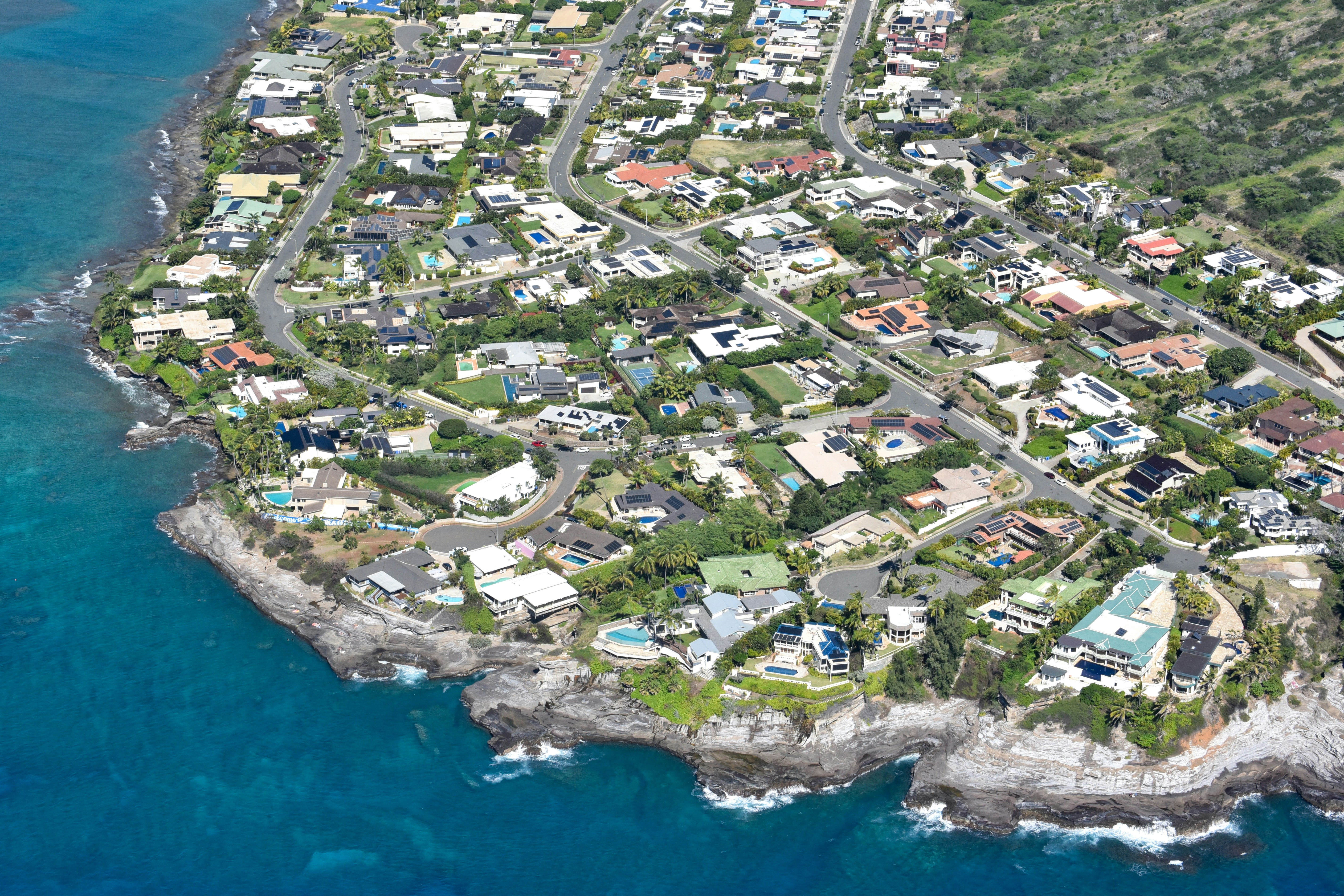
 

The Big Picture

Hawaii has always kept residential property taxes low compared to the mainland, since the state funds schools and highways at the state level rather than through property tax. Counties make up the difference elsewhere, including higher taxes on tourism and short-term rentals. The 2026 changes lean into that pattern harder than ever, widening the gap between owner-occupied homes and everything else: second homes, vacation rentals, and investment properties.


On Oahu, an owner-occupant gets a $120,000 exemption and a rate around $3.50 per $1,000 of assessed value. A non-owner-occupant on the same street can pay a rate two to three times higher. Run the math on a $1.5 million home and an owner-occupant lands around $4,800 a year, while an investor without an exemption is closer to $9,700, nearly double, on the identical property.


Maui and the Big Island push the divide even further for short-term vacation rentals. On Maui, a $1.5 million home operated as a nightly rental can carry an annual tax bill north of $17,000. Both counties added incentives that reward converting a short-term rental into a long-term lease, cutting that rate substantially for owners willing to house local renters instead of tourists.


Deadlines That Actually Cost You Money

The single most common mistake buyers make: assuming escrow or their agent files the homeowner exemption automatically. They don't. You have to file it yourself with your county tax office, and missing the window means paying the higher, non-owner-occupied rate for an entire year.


  • Oahu: file by September 30
  • Maui and Hawaii County (Big Island): filing windows twice a year, June 30 and December 31
  • Kauai: check with the county, as rates and thresholds shifted this cycle too

If you closed on a home in the past year and haven't confirmed your exemption is filed, this week is a good time to call your county tax office.


Conveyance Tax Changes Matter at Closing Too

Alongside the annual property tax shift, Hawaii's one-time conveyance tax, paid at closing, moved from a simple two-tier system to a more gradual, tiered structure based on price and residency status. It mostly affects higher-value sales, but sellers pricing a home near an old threshold should double-check the math with their agent before setting a list price. In some cases a slightly lower price nets more in your pocket after taxes than holding firm a few thousand dollars higher.


What This Means If You're Buying

If you're planning to live in the home, these changes are good news: exemptions are rising and owner-occupied rates remain some of the lowest in the country. If you're buying as an investment or second home, build the higher non-owner-occupied rate into your cash flow projections before you make an offer, not after closing.


What This Means If You're Selling

If your buyer pool includes investors, expect them to be running tighter numbers on carrying costs than they were a year ago. And if you own a vacation rental yourself, it's worth pricing out what converting to a long-term lease would save annually versus what you'd give up in nightly rate income.


Every county sets its own rates and exemption rules, and they can change again next cycle. If you want a read on how this affects a specific property or a sale you're considering, that's exactly the kind of question worth a quick call rather than a guess.

Posted in Market Updates
July 13, 2026

Yes, the City Will Really Lend You Up to $40,000 for Your Down Payment — Interest Free

After 24 years of helping families buy homes on Oahu, I can tell you the single biggest hurdle for local buyers isn't the monthly payment — it's the down payment. Saving cash while paying Honolulu rent is brutal, and I've watched plenty of well-qualified families put their homeownership dreams on hold for years because of it.

Here's what most people don't know: the City and County of Honolulu will lend qualified buyers up to $40,000 toward a down payment — with zero interest and zero loan fees. It's called the Down Payment Loan Program, and it's run by the City's Department of Community Services (DCS) using federal HOME funds.

This isn't a gimmick. It's a real program, and buyers use it. Let me break down how it works.

How the Program Works

The Down Payment Loan Program provides a second mortgage of up to $40,000 behind your primary home loan. The terms are hard to beat:

  • 0% interest — you repay only what you borrow
  • No loan fees and no application cost
  • 20-year amortization — on the full $40,000, that works out to roughly $167 per month
  • Annual occupancy credits that can effectively forgive a substantial portion of the loan over time (more on this below)

Compare that to borrowing the same $40,000 at today's mortgage rates and you're looking at tens of thousands of dollars in interest saved over the life of the loan.

The Occupancy Credit: Where It Gets Even Better

Here's the part I find most compelling. For each full year you live in the home as your owner-occupant, you earn an occupancy credit equal to 5% of the original loan amount — $2,000 per year on a $40,000 loan. Make your payments and stay in the home for 10 full years, and you receive a matching $20,000 credit. In practical terms, half the loan can be forgiven simply for doing what you were going to do anyway: live in your home.

Who Qualifies?

This program is designed for local working families, so there are eligibility requirements:

  • Income: Your household must earn at or below 80% of the area median income (AMI). As of early 2026, that's approximately $80,600 for a two-person household, $90,650 for three, and $100,700 for a family of four, scaling up with household size. (These limits adjust periodically — always confirm the current figures with DCS.)
  • Your own skin in the game: You must contribute at least 5% of the purchase price from your own funds as a down payment.
  • Owner-occupancy: The home must be your primary residence on Oahu — this isn't for investment property.
  • Homebuyer education: You'll need to complete an approved homeownership course.
  • Home inspection: A professional inspection is required as part of the purchase.

One important note: funds are limited and loans are awarded first-come, first-served. When the fiscal year's allocation runs out, it runs out. If you think you might qualify, the time to start the conversation is before you fall in love with a property, not after.

What This Looks Like in Real Life

Say you're a two-income household earning $95,000 with three people in your ohana, and you've saved $30,000. On your own, that budget keeps you locked out of a lot of the market. Add the City's $40,000 on top of your 5% contribution, and suddenly a $550,000–$600,000 condo or townhome moves from "someday" to "let's write an offer." That's the difference this program makes.

How to Get Started

The process starts with a phone call, not a mountain of paperwork:

  1. Call the DCS Loan Branch at (808) 768-7762 for an initial eligibility review with a City loan officer. There's no cost to inquire.
  2. Get pre-approved with a first mortgage lender who has experience layering city down payment assistance with a primary loan — this matters more than most buyers realize.
  3. Work with an agent who knows the program. Timing, inspections, and lender coordination all have to line up for these deals to close smoothly.

My Take

I've said it for years: homeownership is still the most reliable path to building wealth for local families, and every year you wait on Oahu tends to cost you. If your household income falls under the limits above and you've managed to save 5%, this program is essentially the City handing you an interest-free boost — with half of it potentially forgiven for staying put.

If you're wondering whether you'd qualify, or how this could fit into your home search, reach out. I'm happy to walk you through the numbers, connect you with lenders who work with the program, and help you figure out what's realistic in today's market.

Tony Kawaguchi (Aloha Tony)
The Kawaguchi Group | eXp Realty
(808) 351-9795 | tony@alohatony.com
RB-21841 / RS-66616

Program details, income limits, and funding availability are subject to change. Verify current terms directly with the City and County of Honolulu Department of Community Services before making purchase decisions.