Aug. 31, 2026

Kakaako Is Hawaii's Wealthiest Zip Code Again — Here's What That Means for You

Sunset over a Hawaii home with palm trees, representing Kakaako and Hawaii real estateA new analysis making the rounds this month confirms something a lot of Oahu agents have been noticing on the ground for a while: Kakaako has held onto the title of Hawaii's wealthiest zip code for a second year in a row. Pacific Business News reported the finding in late August, and the "why" behind it is more useful to buyers and sellers than the ranking itself. This isn't just rich people getting richer in one neighborhood, it's a visible migration pattern that's reshaping demand across several parts of the state at once.

Why Kakaako Keeps Winning

The driver behind Kakaako's rise isn't new residents flying in from the mainland, it's longtime East Honolulu homeowners selling large single-family houses and moving into luxury condos in the Kakaako and Ward Village corridor. These are typically affluent baby boomers who no longer want to maintain a big yard and a full house, and who'd rather trade square footage for walkability, security, and proximity to Queen's and Kapiolani medical facilities, shopping, and the waterfront. It's a lifestyle trade, not just a financial one, but it has real financial consequences for the neighborhoods on both ends of that move.

The East Honolulu Homes Left Behind

If you own a larger single-family home in Kahala, Aina Haina, Niu Valley, or similar East Honolulu neighborhoods, this trend is worth paying attention to. It means there's a steady, motivated buyer pool of empty nesters looking to sell in your area, which is generally good news for demand, but it also means more of these homes are cycling onto the market as their owners head toward the urban core. If you're planning to sell in that category, talk to your agent about how many similar listings are already competing for the same downsizer-driven buyer pool nearby, since timing your listing around that inventory matters more than it used to.

What's Happening Beyond Oahu's Urban Core

The same report noted that wealth has been climbing on the North Shore while declining in parts of Hawaii Island. That's a reminder that "the Hawaii market" isn't one market, it's a collection of very different micro-markets moving in different directions at the same time. If you're selling on Hawaii Island right now, it's worth having an honest conversation with your agent about how your specific area is trending rather than assuming statewide headlines apply to your listing. The same goes in reverse for North Shore sellers: rising local wealth is a tailwind worth leaning into with your pricing strategy.

Don't Assume This Is a National Pattern

It's worth flagging one nuance here so you don't walk away with the wrong takeaway. Nationally, a lot of coverage this month has actually pointed the other direction, with many baby boomers choosing to upsize into bigger homes rather than downsize, much to the frustration of millennial buyers competing for starter homes. Hawaii's Kakaako story runs counter to that national trend, and it's driven by something fairly local: limited land, high maintenance costs on older single-family homes, and a genuinely walkable, amenity-rich urban core that doesn't have an equivalent on the mainland. Don't assume what's happening nationally will play out the same way here, and don't assume what's happening in Kakaako will play out the same way in every Hawaii zip code either.

What This Means for You

If you're a buyer or investor eyeing Kakaako or Ward Village, this data supports what you're probably already seeing in pricing: sustained, wealth-backed local demand that isn't dependent on outside speculation, which tends to be a more durable floor under prices than tourist or investor-driven demand. If you're an East Honolulu seller, expect company from other downsizers listing similar homes, and price and market accordingly rather than assuming your listing is the only one catching that buyer's eye. And if you're selling anywhere outside the urban core, especially on Hawaii Island, use this as a prompt to ask your agent for real local comps rather than leaning on statewide averages.


The bigger lesson is one worth repeating every time a "wealthiest zip code" headline comes around: these rankings are really migration stories in disguise, and understanding where people are moving from and why tells you more about your own local market than the ranking itself ever will.

Posted in Market Updates
Aug. 29, 2026

Hawaii's New Property Tax Rates Are In: Why Long-Term Rentals Just Got a Lot Cheaper to Own

Every county in Hawaii finalized its property tax rates for the fiscal year that began July 1, and the pattern this time is impossible to miss: local governments are using the tax code itself to steer investment property owners toward long-term rentals and away from short-term ones. If you own, or are shopping for, a second home or income property anywhere in the islands, the classification your property falls under now matters just as much as its purchase price. Here's what actually changed county by county and how to use it to your advantage.

The Big Island Now Has a Middle Tier Built for Landlords

Hawaii County's council voted in May to trim the owner-occupied rate from $5.95 to $5.75 per $1,000 of net taxable value, a small break aimed at cushioning homeowners from rising assessments. The more consequential move is what the county did with its long-term rental classification, first created back in 2024 for units leased to the same tenant for six months or more. That class now sits at $7.75 per $1,000, while non-owner-occupied properties run $13.60 to $15. For an investor deciding between renting a unit nightly or to a local tenant year-round, that gap alone can be worth thousands of dollars a year, before factoring in the county's new top tier of $17 per $1,000 on the portion of any second home valued above $4 million.

Maui Is Making the Short-Term Rental Math Brutal

Maui's rate structure draws an even sharper line. Owner-occupied homes still start as low as $1.65 per $1,000, and long-term rentals begin around $2.90, but short-term vacation rentals face rates starting at $13 and climbing to $17 per $1,000. Layer that on top of Maui's ongoing rezoning push, which is already converting thousands of apartment-zoned vacation units back into long-term housing over the next several years, and the message from the county is consistent: nightly rentals will keep getting more expensive to carry, while long-term leasing gets cheaper every budget cycle.

Oahu and Kauai Are Playing It Steadier

Honolulu kept its structure comparatively simple this cycle, with owner-occupants at $3.50 per $1,000 against a $120,000 homeowner exemption, and non-owner-occupied rates ranging from $4 up to $11.40 depending on assessed value. Kauai similarly held its rates relatively flat, with owner-occupied properties taxed between $2.59 and $3.50 per $1,000. Neither island is chasing the aggressive short-term rental penalties Maui and the Big Island have adopted, which is worth keeping in mind if you're comparing carrying costs across islands for an investment purchase rather than assuming Hawaii property taxes are uniformly low everywhere.

What This Means for Your Bottom Line

Run a real example: a $1.5 million home taxed as an Oahu owner-occupant with the full exemption comes in around $4,800 a year. The identical home held as an unclassified investment property on Oahu runs closer to $9,700. Put that same value into a Maui short-term rental and the bill can top $17,000 annually, more than triple what a long-term lease on the same property would cost the owner. Those are not rounding errors in a cash flow model, and they should factor into any offer price or rental strategy you're weighing this year, especially on Maui and the Big Island.

What To Do Before the Next Deadline

If you already own a rental property, the fastest way to lower your bill is often reclassification rather than a sale: converting a short-term unit to a documented long-term lease can cut your tax rate nearly in half on both Maui and the Big Island. If you're a new owner-occupant, don't assume your exemption was filed automatically at closing. A few dates worth putting on your calendar:

  • Oahu homeowner exemption deadline: September 30
  • Maui and Big Island homeowner exemption deadlines: June 30 and December 31 (twice yearly)
  • Oahu assessment appeal deadline: January 15
  • Maui assessment appeal deadline: April 9

Miss the exemption window and you'll pay the higher, unclassified rate for a full year regardless of how you actually use the property. Hawaii's counties are increasingly using property tax classification as a policy lever, not just a revenue tool, and that trend shows no sign of slowing. Whether you're buying your first home here or managing a portfolio of rentals across islands, it's worth checking your property's current classification and confirming you're not overpaying simply because a form never got filed. A quick conversation with your agent or the county tax office now can save real money come the next billing cycle.

Posted in Market Updates
Aug. 27, 2026

Hawaii's Condo Insurance Crunch Is Finally Easing — What Owners and Buyers Should Know

If you own a condo in Hawaii, or you're thinking about buying one, you've probably felt the sting of the last few years: hurricane insurance premiums that tripled or quadrupled, special assessments landing in mailboxes with little warning, and AOAO boards scrambling just to keep a master policy in place. The good news is that after two years of turmoil, the state's response is starting to show real results, and it's worth understanding what's changed before you buy, sell, or budget for next year's dues.

Why Condo Insurance Got So Expensive

The root of the problem traces back to the 2023 Lahaina wildfire, which sent shockwaves through Hawaii's property insurance market even for buildings nowhere near Maui. Before the fire, hurricane coverage for condo associations typically cost 8 to 9 cents per $100 of insured value. In the aftermath, some buildings saw that jump past $1 per $100, an increase that pushed monthly HOA dues up by hundreds of percent in some complexes and forced boards to levy special assessments just to keep coverage in place. National and global reinsurers pulled back from Hawaii, leaving fewer companies willing to write policies at any price.

The State's Hurricane Relief Fund Is Gaining Traction

In response, Governor Josh Green reactivated the Hawaii Hurricane Relief Fund (HHRF) in 2024 as a backstop for AOAOs that have been turned down by at least two private insurers. As of this spring, the fund had issued around 97 policies covering roughly $2.6 billion in insured value, and dozens more applications were in the pipeline representing another $3 billion. Just as important, the fund's presence is pushing private insurers to compete again: officials estimate it has helped associations statewide save more than $12 million by giving property managers leverage to negotiate lower quotes. Rates that spiked above $1 per $100 of value earlier are now settling into a 20-to-30-cent range for many buildings, still elevated compared to pre-2023 levels, but moving in the right direction.

New Loans Are Helping Older Buildings Qualify Again

A big reason some buildings still can't get insured has nothing to do with pricing. Aging plumbing, outdated fire sprinklers, and deferred roof work make insurers walk away regardless of what an association is willing to pay. To address that, the state rolled out the Condominium Association Loan Program through the Hawaii Green Infrastructure Authority earlier this year. It offers direct financing to associations that have already been denied loans by traditional banks, specifically for projects like re-piping, sprinkler upgrades, and roof repairs that make a building insurable again. To qualify, boards need a documented lender denial, an engineer's assessment prioritizing the needed work, and solid contractor bids. New loan commitments under this program are available through June 30, 2027, so boards sitting on deferred maintenance shouldn't wait to start the paperwork.

A Better Safety Net for Individual Unit Owners

Buildings aren't the only ones getting new options. The Hawaii Property Insurance Association has rolled out an updated HO6 policy for condo unit owners, offering up to $100,000 in dwelling coverage and up to $100,000 in loss-assessment coverage. That second piece matters most right now: per-unit deductibles on master policies can run $50,000 or higher after a major claim, and loss-assessment coverage is what protects an individual owner from getting billed directly for that gap. If your association's master policy deductible has crept up in the last renewal, this is worth a call to your insurance agent.

What This Means for You

If you're buying a condo right now, don't skip the due diligence on the AOAO's insurance status, reserve study, and any pending or recent special assessments; ask directly whether the building has HHRF coverage, private coverage, or a gap. If you're selling, having your association's insurance paperwork organized and current can make a real difference in how quickly buyers' lenders sign off. And if you already own, it's worth checking your HO6 policy's loss-assessment limit and asking your board whether they've looked into the new state loan program if the building has deferred maintenance holding back a master policy renewal.

None of this fixes Hawaii's insurance market overnight, but for the first time in a couple of years, the trend lines are pointing the right direction. If you have questions about how a specific building's insurance situation affects a purchase or sale you're considering, I'm happy to help you dig into the details.

Posted in Market Updates
Aug. 25, 2026

Hawaii's Homestead Waitlist Is Finally Moving: What DHHL's Record 2026 Pace Means for You

Sunset over Hawaii home, illustrating housing and homestead development across the islands
The Department of Hawaiian Home Lands is on pace to award more leases in 2026 than in any year in its 105-year history, and the ripple effects reach well beyond the beneficiaries receiving keys. Roughly a third of this year's projected 3,000 leases had already gone out by July, including 200 leases earlier this month at Panaewa, the first residential offering in East Hawaii from DHHL in more than two decades. If you're buying, selling, or investing anywhere in the islands, this surge in homestead activity is worth understanding, even if you'll never hold a Hawaiian Home Lands lease yourself.

What Actually Happened

On August 8, DHHL awarded 200 residential leases at the Panaewa homestead, a 334-acre parcel outside Hilo that will eventually hold 400 lots. Vertical construction isn't slated to begin until 2030, but the lease award itself ends a wait that, for some beneficiaries, has spanned decades. It's part of a broader push: so far this year DHHL has issued 824 residential project leases on Oahu across Waimanalo, Ewa, and Nanakuli, 469 agricultural and residential leases on Hawaii Island, 240 agricultural leases on Maui, and 82 residential leases on Kauai, with more awards planned before the year is out on Hawaii Island, Kauai, Molokai, and Oahu.

The Tool Behind the Acceleration

Much of this pace comes down to a shift in how DHHL structures its awards. Rather than waiting until a subdivision is fully built to hand out leases, the department has leaned into "project leases," which let beneficiaries secure their lease while a homestead is still in the design or construction pipeline. Applicants aren't required to pre-qualify for financing to receive one, which opens the door to turnkey homes, owner-builder lots, and rent-to-own paths depending on the project. Leases can also be transferred to a qualified successor with at least 25% Hawaiian blood quantum, which matters for beneficiaries thinking generationally about keeping a homestead in the family.

Why This Matters Even If You're Not on the Waitlist

Hawaiian Home Lands leases aren't bought and sold on the open market. Eligibility requires at least 50% Hawaiian ancestry, and the underlying land can't be transferred to just anyone, so this news won't put new inventory in front of typical buyers browsing the MLS. What it does mean is thousands of new single-family lots moving through permitting, financing, and construction across four islands over the next several years, which translates into real demand for contractors, building materials, and infrastructure work in areas like Kailua-Kona, Wailuku, Kihei, Lahaina, Ewa, Nanakuli, and now East Hawaii. Neighboring property owners near these new subdivisions should also expect zoning, traffic, and school-enrollment conversations to pick up as these communities get built out.

The Waitlist Is Still Long

Even at a record pace, roughly 29,000 people remain on DHHL's waitlist, and the department's own leadership has been candid that the current push is decades overdue; more than 2,100 beneficiaries have died while waiting for the land they were promised under the 1921 Hawaiian Homes Commission Act. If you or a family member has Hawaiian ancestry and hasn't applied, getting on the list costs nothing and starts a clock that, based on this year's pace, is finally moving faster than it has in a generation.

What This Means for the Broader Market

For non-beneficiary buyers and sellers, the practical takeaway is more indirect: watch for construction activity and new residential communities in areas near DHHL land, since these projects can affect nearby traffic patterns, school capacity, and long-term neighborhood character well before any of it shows up in an MLS listing. For beneficiaries and their families, this is the most encouraging stretch the waitlist has seen in years, and it's worth checking your application status and eligibility for a project lease sooner rather than later, since award opportunities are moving faster than they historically have.

Hawaii's housing story is often told through prices and mortgage rates, but the state's largest, longest-running effort to get people into homes is unfolding right now on Hawaiian Home Lands, and it's worth paying attention to regardless of which side of a transaction you're on. If you have questions about how a specific area's development plans might affect your own buying or selling timeline, I'm happy to talk it through.

Posted in Market Updates
Aug. 23, 2026

Oahu's Homeowner Exemption Is About to Increase: What Buyers and Owners Need to Know

If you own a home on Oahu, or you're closing on one this year, there's a property tax change working its way through Honolulu Hale that's worth your attention. The homeowner exemption, which reduces the assessed value your property taxes are based on, is set to grow in 2027, and the City Council is already debating a second increase on top of that. None of it happens automatically for new owners, and there's a real deadline coming up on September 30. Here's what's actually changing and what to do about it.

What the Exemption Does Right Now

Today, an owner-occupant on Oahu who has filed for the home exemption gets $120,000 knocked off their assessed value if they're under 65, or $160,000 if they're 65 or older by June 30 of the prior tax year. At the flat residential rate of $3.50 per $1,000 of net taxable value, that exemption is the difference between paying tax on your home's full assessed value and paying tax on a meaningfully smaller number. It's one of the few tools Oahu homeowners have to soften rising assessments, and it only applies if you've actually filed the claim form — it isn't automatic just because you live in the house.

The Increase Already on the Books

Last year, the City Council passed ordinances raising those amounts to $140,000 for owners under 65 and $180,000 for owners 65 and older. That increase takes effect for the tax year beginning July 1, 2027. It isn't in your current tax bill, but it's locked in for next year.

A Second Increase Is Now Under Debate

As of this month, the Council is weighing two more bills. Bill 45 would push the under-65 exemption to $160,000, and Bill 46 would push the 65-and-older exemption to $200,000, both aimed at fiscal year 2029. Advocates testifying in favor point out that a $20,000 bump in the exemption saves a homeowner about $70 a year at the current residential rate — modest, but it's meant to keep pace with assessments that have kept climbing faster than the exemption has. Nothing here is finalized, and Council bills can stall or change before a final vote, so treat the 2029 numbers as proposed rather than guaranteed.

The Deadline That Actually Matters Right Now

None of these increases help you if you haven't filed for the exemption in the first place. The rule is straightforward: to claim the home exemption for a given tax year, you need to have owned and occupied the property as your principal home by September 30 of the preceding year, and the claim form has to be filed by that same September 30 deadline. Miss it, and you wait a full year for the exemption to start.

For anyone who closed on an Oahu home this year and plans to live in it as a primary residence, September 30, 2026 is the date to circle. File by then and you'll be positioned to receive the exemption — including the higher $140,000/$180,000 amounts — when they take effect for the 2027-2028 tax year. The form is BFS-RP-E-8-10.3, and it can be filed online, by mail, or in person at either Real Property Assessment Division office.

What This Means If You're Buying, Selling, or Investing

For buyers closing on a primary residence this year, filing for the exemption isn't optional paperwork — it's money left on the table if you skip it. For sellers, it's worth confirming with your buyer's agent that this gets flagged during escrow, since it's easy to lose track of amid closing logistics. For investors, remember the exemption only applies to owner-occupied homes; a non-owner-occupied property doesn't qualify and falls under the higher Residential A rates instead, so this doesn't change the math on rental purchases.

If you own on Maui, Kauai, or Hawaii Island, the specifics differ since each county sets its own rates and exemption rules, but the underlying lesson is the same: exemptions aren't automatic, deadlines are firm, and it's worth checking your county's real property tax office each year rather than assuming your paperwork is up to date. A few minutes filing a form is a small task with a real, recurring payoff on your tax bill.

Posted in Market Updates
Aug. 22, 2026

Hawaii's New Cesspool Loan Fund: What It Means for Buyers and Sellers

Hawaii sunset over a home with palm trees, illustrating Hawaii real estate and cesspool conversionHawaii just made it a little easier to get rid of one of the state's biggest hidden property liabilities. Governor Josh Green signed House Bill 1618 into law in July, creating a new revolving loan fund that offers low-interest and, in some cases, forgivable loans to homeowners converting outdated cesspools to code-compliant septic or sewer systems. If you own, are buying, or are selling a home with a cesspool anywhere in the islands, this is worth understanding now, not when the deadline is bearing down on you.

What Changed: A New Loan Fund for Cesspool Conversions

House Bill 1618 establishes a Cesspool Conversion Revolving Loan Fund, administered by the Hawaii Green Infrastructure Authority, which will offer eligible homeowners low-interest and, in some cases, forgivable loans to help cover the cost of upgrading a cesspool to a septic tank, aerobic treatment unit, or connection to a municipal sewer line. State Senator Chris Lee, who chairs the Senate Committee on Water, Land, Culture and the Arts, said the goal is to make it possible for families who need help the most to install cleaner, more affordable systems and stop cesspools from polluting nearshore waters. This is on top of income tax credits and other grant programs that have existed in a more limited form for several years.

Why This Matters: 88,000 Cesspools and a 2050 Deadline

There are roughly 88,000 active cesspools statewide, discharging an estimated 50 million gallons of untreated wastewater into the ground every day. Under Act 125, passed back in 2017, every cesspool in Hawaii must be upgraded to a septic system or connected to a sewer line by 2050. For most homeowners that deadline still feels far off, but a typical conversion runs $20,000 to $50,000 or more once you account for excavation through volcanic rock, engineering, and permitting, so waiting until the last minute is rarely the cheaper option. Lenders and appraisers are already paying closer attention to this, and a home with an unconverted cesspool can appraise lower than a comparable home that has already made the switch.

Priority Zones Can Move Up Your Deadline

The 2050 deadline is the outer limit, not a guarantee. The Department of Health has sorted cesspools into Priority 1, 2, and 3 zones based on how much risk they pose to drinking water and coastal waters, and homes in Priority 1 zones, generally those near sensitive shorelines or municipal water sources, are being targeted for conversion well before 2050. Any major renovation that adds a bedroom or significantly changes the plumbing can also trigger an immediate upgrade requirement, which matters if you are eyeing a property for an addition or an accessory dwelling unit. If you are not sure which zone a property falls into, that is a question worth asking the county or a qualified inspector before you write an offer or list a home.

How Cesspools Are Already Showing Up in Purchase Contracts

Buyers are no longer willing to absorb the full future cost of a cesspool conversion without some kind of concession, and sellers who ignore that are watching their listings sit longer. In escrow, this tends to play out a few ways:

  • Price credit or reduction: the buyer gets a formal engineering estimate during inspection and negotiates a credit equal to the projected conversion cost.
  • Seller-funded upgrade: the offer is contingent on the seller completing the conversion before closing, so the buyer takes title to a fully compliant system.
  • Escrow holdback: a portion of the seller's proceeds is held back to cover the conversion after closing when timing is tight.

What Buyers, Sellers, and Owners Should Do Now

If you own a home with a cesspool, it's worth getting a rough conversion estimate now and checking whether the new loan fund or existing tax credits could offset the cost, rather than waiting for a sale or a Department of Health notice to force the issue. If you're selling, get ahead of it: a recent inspection and an estimate in hand will save you from a rushed, worse-priced negotiation once a buyer's inspector flags it. If you're buying, ask directly whether a property has a cesspool and which priority zone it falls in before you get deep into escrow, since that answer affects both your financing and your future costs. And if you're financing with a conventional loan, check with your lender early, since some are already underwriting more conservatively around unconverted systems.

None of this makes cesspool conversion cheap, but the new loan fund is a real, if modest, step toward making it more manageable for the families who need it most. Whether you're weighing an offer on a home with an older system or thinking about converting one you already own, it pays to run the numbers before the deadline runs them for you. Reach out any time if you want help sizing up what a specific property's cesspool situation means for your plans.

Posted in Market Updates
Aug. 20, 2026

Oahu's New Flood Maps Are Now Law — What Buyers, Sellers, and Owners Need to Know

Sunset over an Oahu neighborhood, illustrating Hawaii's updated flood risk mapsTwo months ago, FEMA's updated flood insurance rate maps for Oahu quietly took effect, and the ripple effects are only now showing up in real estate transactions. This was the first island-wide remap of Oahu's flood zones in more than a decade, and it redrew the risk picture for thousands of properties along nearly 100 miles of streams. If you're buying, selling, or already own on Oahu, and especially if you're anywhere near a stream, gulch, or low-lying area, this is worth understanding before it shows up as a surprise at closing or on your insurance bill.

What Actually Changed on June 10

FEMA reviewed roughly 250,000 Oahu properties as part of the remap. The overwhelming majority of movement went one direction: more than 8,000 properties shifted from a lower-risk zone into a higher-risk Special Flood Hazard Area, while fewer than 400 moved the other way, out of high-risk zones. Depending on which count you use, somewhere between 3,500 and 4,000 parcels were newly placed into a mapped flood zone for the first time. If you own or are considering a property near a stream on Oahu, there's a real chance its flood status changed this year even if nothing on the ground did.

The 45-Day Clock That Catches People Off Guard

Here's the part that trips people up. If a property has a federally backed mortgage and lands in a Special Flood Hazard Area, the lender can require flood insurance, and if the owner doesn't secure a policy, the lender is allowed to force-place one within 45 days of notice. A force-placed policy typically costs more than a policy you shop for yourself, and you don't get any say in the coverage terms. Given the June 10 effective date, that window has already closed for plenty of owners who didn't act quickly, which is why this story is still relevant today rather than back in June. The average added premium for newly mapped properties runs around $868 a year, though it varies by flood zone and coverage level, and some owners may qualify for a newly-mapped or Pre-FIRM discount that lowers the cost if applied for in time.

This Isn't Only an Oahu Concern

The remap itself is Oahu-specific, but the underlying risk is statewide. A March 2026 Kona low dumped damaging floodwater across every populated island, hitting over 12,000 properties on Oahu, more than 3,600 on the Big Island, and over 2,500 on Maui. Plenty of homeowners on all islands who assumed they were safely outside a flood zone found out otherwise when the water came in without warning. Oahu just happens to be the island with a freshly updated map right now, but flood risk, and the insurance gap that comes with it, is something buyers and owners statewide should be checking, not just people shopping near an obviously flood-prone stream.

What Buyers Should Check Before Writing an Offer

Before you get attached to a listing, pull the current FEMA flood zone designation for the parcel rather than relying on what the seller or listing sheet says, since zone status may have changed this year even for a home that's never flooded. If it now sits in a Special Flood Hazard Area, get a flood insurance quote during your inspection period, not after closing, so the added cost is part of your decision rather than a bill that shows up later.

What Current Owners Should Do Now

If you haven't checked your parcel against the updated maps yet, do it this week rather than waiting for a lender notice. Owners who are on the fence about coverage should compare a self-selected NFIP or private flood policy against the risk of a force-placed one, and ask about newly-mapped and Pre-FIRM discounts before assuming the higher premium is fixed.

The bigger picture here is one we're seeing across Hawaii's insurance market generally: risk is being remeasured and repriced faster than a lot of owners are used to. Whether it's flood maps on Oahu or hurricane coverage on a condo elsewhere in the state, the properties that hold their value best going forward will be the ones where owners stayed ahead of these changes instead of getting caught by them.

Posted in Market Updates
Aug. 19, 2026

Oahu New Construction Guide: What's Actually Selling Right Now, From Ewa Beach to Kaka'ako

Buyers ask me constantly whether it still makes sense to look at new construction on Oahu, and the honest answer is: it depends entirely on where you look. Between D.R. Horton's sprawling Ho'opili master plan in Ewa Beach, the condo towers still rising in Kaka'ako, and Central Oahu's Koa Ridge community, there's more inventory in motion right now than most buyers realize, and the price points are a lot wider than people expect. Here's where things actually stand.

Ho'opili Keeps Expanding in West Oahu

D.R. Horton's Ho'opili is easily the biggest story in new construction on this island. The master plan is approved for close to 12,000 homes over its full build-out, and new phases keep releasing on a rolling 30-to-60-day schedule. Right now, Uluwehi at Ho'opili is selling one-to-three bedroom condominium-style homes from around $490,000, with units ranging from 572 to just over 1,000 square feet and walking distance to one of Ho'opili's own Skyline rail stations. On the detached side, 'Ahakea at Ho'opili is D.R. Horton's newer GenHomes product line, offering two-and-three-bedroom single-family detached condominium homes from the mid-$700,000s, each with a smart-home system built in standard. Nearby, Nanahea at Ho'opili has moved into larger executive single-family territory with homes from roughly $1.1 million. If you're weighing Ho'opili, know that most releases move fast and some go through a reservation or lottery process, so having representation lined up before a phase drops matters more than people think.

Koa Ridge Is Bringing Central Oahu Into the Conversation

While West Oahu gets most of the attention, Castle & Cooke's Koa Ridge in Waipio is quietly building out roughly 3,500 homes, with pricing that undercuts almost everything else on the island. Affordable townhomes start in the low $400,000s, market-rate townhomes run from the $600,000s, and single-family homes start around $1.1 million. The location works especially well for military buyers and anyone commuting to Schofield Barracks or Mililani, and the mix of condos, townhomes, duplexes, and detached homes gives buyers more flexibility than most West Oahu options.

Kaka'ako and Ward Village Are Still the Urban Story

If condo living in town is more your speed, Kaka'ako remains the center of gravity, led by Howard Hughes' Ward Village master plan. Kalae is roughly 85% sold with completion expected in 2026, and The Park Ward Village recently completed and opened for closeout units. Mahana is shaping up to be the final tower in the Ward Village master plan, with pre-sales anticipated later this year, which means early interest lists matter if you want first access to floor plans and pricing. Compared to the suburban product, Kaka'ako condos sell almost entirely off pre-construction renderings, often two to three years before a single unit is move-in ready, so the buying process and timeline are genuinely different animals.

Why New Construction Buyers Still Need Their Own Agent

I talked to a couple of resources worth knowing about if you're seriously shopping new construction. Matty Wong, who leads Team Alaka'i at eXp Realty, has built one of the state's top-producing teams around exactly this kind of guidance, helping buyers navigate a process that can feel overwhelming without someone in your corner. And Dwell Hawaii's new construction team, led by Koa Cassady, specializes exclusively in tracking every active Oahu project, from lottery deadlines to sales-gallery openings, precisely because that information often isn't public until days before it matters. The developer's own sales team represents the developer, not you, and that distinction is worth remembering. An independent buyer's agent typically costs you nothing extra, since compensation comes from the developer either way, but it means someone is looking out for your interests specifically, not just moving inventory.

What This Means for Your Search

If budget and space matter most, Ho'opili and Koa Ridge are still where your dollar stretches the furthest, especially if you're open to a condo-style or townhome product rather than a fully detached home. If walkability and urban amenities are the priority, Kaka'ako still delivers that, but you need to be comfortable buying something years before it's finished. Either way, new construction pricing is fixed and non-negotiable, which takes some of the stress out of the process compared to a multiple-offer resale situation, but it also means doing your homework on floor plans and finishes matters more upfront.

New construction on Oahu moves in waves, and the community that's right for you today might have a very different price point or availability in three months. If you're trying to figure out where to focus your search, that's exactly the kind of conversation worth having before the next phase releases.

Aug. 19, 2026

Honolulu's Empty Homes Tax Died Again — What It Means If You Own a Second Home in Hawaii

Sunset over a Hawaii home with palm trees, illustrating Oahu real estate and housing policyIf you own a vacation home on Oahu, inherited a family property you only visit part of the year, or are weighing whether to buy an investment condo in Honolulu, a piece of news from early August is worth your attention. Bill 46, Honolulu's long-running attempt to tax homes left vacant for more than half the year, quietly expired on its two-year legislative clock. It's the fourth time in eight years a version of this idea has died at Honolulu Hale, and the way it died this time tells you a lot about where the debate goes next.
What Just Happened

The Honolulu Charter Commission considered placing an empty homes tax question directly on the November ballot, which would have let voters decide the issue themselves rather than leaving it to the City Council. The measure fell one vote short of the supermajority it needed, failing 8-5. That sent the matter back to the council, where Chair Tommy Waters had the option to schedule a final vote before Bill 46's two-year window closed. He didn't, citing a lack of votes to pass it, and the bill died automatically at the start of August. As introduced, it would have created a new tax category for homes vacant six or more months a year, phased in from 1% to 3% of assessed value, layered on top of existing property tax rates.

Why It Keeps Failing By a Hair

This isn't a fringe idea that never gets traction. City-commissioned analysis from Ernst & Young estimated the tax could bring in $30 million to $55 million a year and nudge somewhere between roughly 600 and 2,000 vacant units back into the housing supply over a decade. Eight of Oahu's neighborhood boards have passed resolutions supporting some version of it. But the same objections have sunk it every time: concern that local families with an inherited second home or kupuna splitting time between islands would get hit by a tax aimed at offshore investors, and doubt that the city's Department of Budget and Fiscal Services can administer it without costly errors. Mayor Rick Blangiardi, who once supported the concept, pulled back after his own administration flagged those enforcement risks and canceled a follow-up study. A similar tax in San Francisco was also struck down in court after a legal challenge, a precedent opponents raised repeatedly during this year's hearings.

What This Means for You Right Now

Nothing changes on your tax bill today. Non-owner-occupied residential property on Oahu is still taxed the way it was before this fight started: 0.4% on value up to $1 million, and 1.14% on the value above that for higher-priced homes, with no separate vacancy surcharge. If you've been holding off on a second-home or investment purchase in Honolulu because you were worried a vacancy tax might pass this year, that pressure is off for now. If you already own a property you use only part-time, you don't need to rush to rent it out or list it to avoid a tax that no longer exists.

Don't Assume This Is Over

Every prior version of this bill has come back in some form, and the political appetite for it hasn't disappeared, it's just been outvoted by one seat each time. Council members who supported this round remain in office, and neighborhood board resolutions keep piling up. If you're buying a condo or house on Oahu specifically to hold as a part-time residence or rental, it's worth asking your agent whether a new version of this bill has been introduced before you close, and building a small cushion into your budget in case a future council gets that ninth vote. Owners on the neighbor islands should also pay attention. Housing pressure looks similar on Maui, the Big Island, and Kauai, and if a vacancy tax ever does pass on Oahu, other counties will study the results closely.

For now, the practical takeaway is simple: this particular tax isn't coming for your property this year. But the debate over vacant homes in a state with this little housing supply isn't going away, and buyers and owners who track these proposals will be better positioned than the ones who get caught off guard when one finally clears that last vote.

Posted in Market Updates
Aug. 16, 2026

What Hurricane Lala Means for Hawaii Homebuyers, Sellers, and Homeowners Right Now

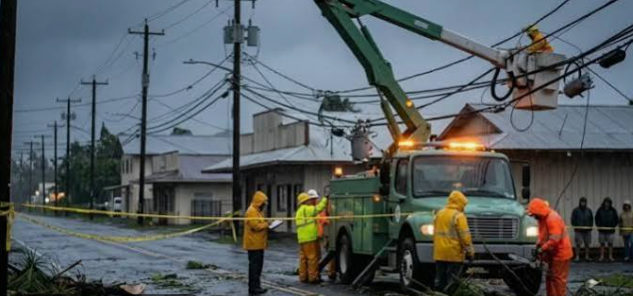
Hurricane Lala made landfall on Hawaii Island this weekend as a Category 1 storm before weakening to a tropical storm, bringing torrential rain, high winds, and widespread power outages across the state. Our thoughts are with everyone affected, especially the communities of Naalehu and Waiohinu, where flooding damaged homes along the island's southern coast. Beyond the immediate recovery, this storm is a useful, if unwelcome, reminder for anyone buying, selling, or owning property in Hawaii about how insurance and escrow actually work when a storm is bearing down on the islands.

Insurance Moratoriums Are Real and They Move Fast

The moment the National Weather Service's Central Pacific Hurricane Center issues a hurricane watch or warning for any Hawaii island, insurers statewide typically stop accepting new policy applications and won't bind new coverage or increase existing coverage. That moratorium generally stays in place until roughly 72 hours after the watch or warning is lifted. If you're mid-transaction and haven't locked in a homeowners or hurricane policy before a storm gets close, you may simply be unable to get one until the weather clears, and that can directly delay your closing.

Standard Homeowners Insurance Doesn't Cover This

A lot of buyers assume a standard homeowners policy handles storm damage. It doesn't. Wind damage from a hurricane, defined as sustained winds of 74 mph or more, generally requires a separate hurricane policy or endorsement. Flooding, whether from storm surge or heavy rain like what hit the Big Island this week, requires its own flood policy, and National Flood Insurance Program coverage typically has a 30-day waiting period before it takes effect. That waiting period matters: you can't buy flood coverage the week before a storm and expect it to help you.

If You're Under Contract Right Now

If you have a purchase contract in progress anywhere in the state, this is the week to call your lender and your insurance agent, not wait for your closing date to approach. Ask directly whether your rate lock and required hurricane and flood coverage can still be bound given current conditions, and whether your lender needs a post-storm inspection before funding if the property is on Hawaii Island or windward Maui. Sellers with property in or near the affected areas should expect buyers and lenders to ask for updated inspections, and should be upfront about any damage, even minor, since failing to disclose known issues can create real legal exposure later.

What Owners Statewide Should Do Now

Even if your property wasn't in Lala's direct path, this is a good prompt to check two things: whether your dwelling coverage reflects your home's current rebuild cost given rising materials and labor prices, and whether you actually carry separate hurricane and flood coverage rather than assuming your standard policy has you covered. Hawaii's hurricane season runs through November, and insurers have been tightening capacity and pricing across the state in recent years, so waiting until the next storm is in the forecast to fix a coverage gap is the riskiest possible timing.

Looking Ahead

Storms like Lala don't just cause immediate damage, they tend to accelerate scrutiny from lenders and insurers on flood zones, roof age, and wind mitigation features for months afterward. If you're shopping for a home on Hawaii Island or in a flood-prone area anywhere in the state, budget for the possibility that insurance costs and requirements on that specific property just got a little more demanding.

If you're navigating a purchase or sale right now and aren't sure how this affects your timeline, that's a conversation worth having this week rather than after your next deadline hits.

Posted in Market Updates